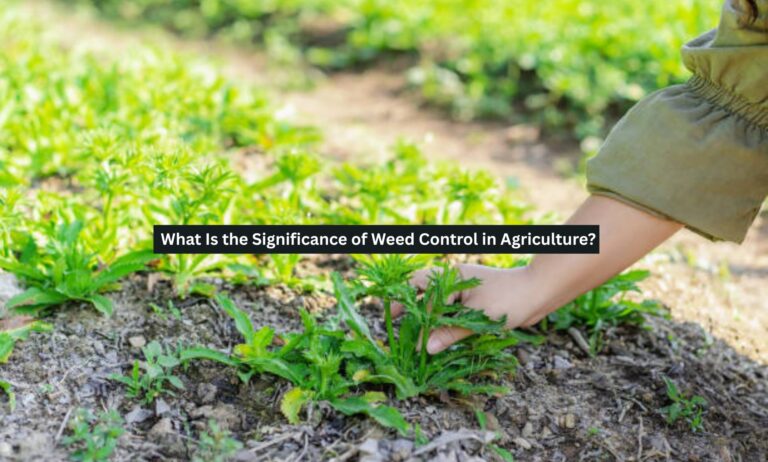
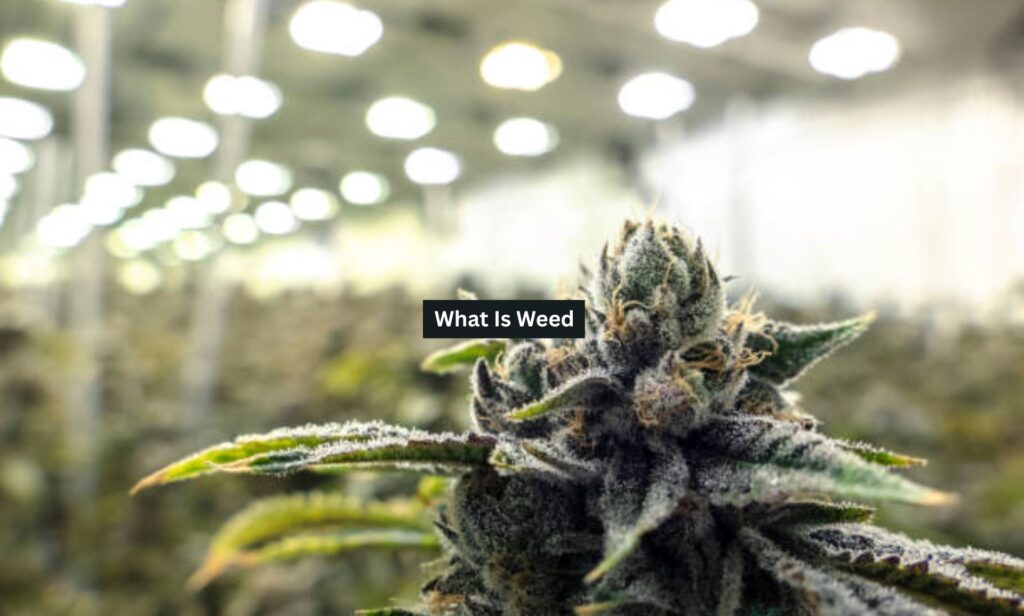
Weed is a broad term for any plant that grows in an area where it is not desired. Weeds have been a constant threat to agricultural land ever since humans first attempted to cultivate plants. Some undesirable plants were removed from the weed category and placed in cultivation after it was discovered that they had benefits that had not been anticipated. When transplanted to new climates, other cultivated plants escaped cultivation and became weeds or invasive species. As a result, the term “weeds” is a relative one because the category is constantly evolving.
Weed Management and Its Importance
Numerous strategies have been developed to suppress or eradicate weeds, which cause disruptions to a variety of human activities. The nature of the weed itself, the disposal options available, and the method’s relationship to the environment all influence these approaches.
Contextual Weed Control
Most of the time, methods that aren’t allowed on a golf course or in a public park can’t be used on rangeland or in the forest for financial and environmental reasons. Chemical herbicides that are applied to the roadside to get rid of unsightly weeds that are a fire or traffic hazard should not be used on cropland. On large farms, mulching, which is used to get rid of weeds in a home garden, is not possible. In any case, controlling weeds has evolved into a highly specialized occupation.
Specialization in Weed Control
Weed control courses are taught at agricultural colleges and universities, and industry provides the necessary technology. Controlling weeds is essential for maintaining high crop yields in agriculture. The numerous reasons for controlling weeds become more complicated as technology advances.
Time and Place Factors
Time and place influence the transformation of plants into weeds. Before the automobile was invented, tall weeds on roadsides probably weren’t a problem. However, as more cars and drivers used the roads, tall weeds became dangerous because they could block drivers’ vision, especially at intersections.
Weeds in Different Environments
Weed Impact in Specific Settings
In a cow pasture, sharp-edged grasses are not a problem; however, when the area is made into a golf course or a public park, they become a problem. On a sunny hillside in the open country, poison oak (Toxicodendron diversilobum) is a pleasant shrub; however, in a campground, it is a clear health risk.
Agricultural Competition and Animal Harm
Crop plants compete with weeds for nutrients, light, and water. Weeds that grow in pastures and rangelands can be unpleasant to animals or even poisonous; they can injure animals, like when foxtails (Alopecurus species) get stuck in horses’ mouths; they can lower the value of animal products, like when cockleburs (Xanthium species) get stuck in wool; and they can make animal care more difficult, like when horses graze in sticky tarweeds (Madia species).
Disease and Pest Hosts
Organisms that cause plant diseases feed on a lot of weeds. Examples include prickly lettuce (Lactuca scariola) and sow thistle (Sonchus species), which are hosts for downy mildew; wild mustards (Brassica species), which are hosts for cabbage clubroot; and saltbrush (Atriplex species) and Russian thistle, where the curly top virus overwinters and is carried to sugar beets by leafhoppers. A number of weeds are invasive species and serve as hosts for insect pests.
Forms of Modern Weed Control
Mechanical Weed Control
Humans first attempted to grow a single plant species without any plant competition by pulling weeds from their cereal crops. This was the beginning of mechanical weed control and monoculture.
Tools and Early Methods
To get rid of weeds, humans developed simple tools like the potato, knife, and hoe, which replaced hand pulling. These straightforward methods were utilized for thousands of years, from the Egyptian culture to the Renaissance.
Automation and Advancements
In England in the 17th century, the initial efforts to automate the laborious task of controlling weeds and abandon traditional hand methods began. Over time, agricultural tools and cultural methods improved. Weed control is the primary benefit of row crop cultivation.
Limitations of Mechanical Control
Hand weeding is laborious, painful, and often harmful; clean tillage with machinery is repetitive and often harmful; burning is slow and uses fuel; and biological grazing requires expensive livestock or birds. Despite advancements like precision seeding and better tiller tools, it is known that weed knives harm crop roots and can rapidly spread perennial weeds.
Supporting Mechanical Practices
Mechanical practices include crop rotation, smother crop use, weed-free seed use, mulching and covering, and machine cleaning to stop weed seeds from spreading.
Chemical Weed Control
Sea salt, industrial by-products, and oils were the first substances used in chemical weed control.
Early Chemical Usage
In the late 1800s, France became the first country in Europe to discover selective control of broad-leaved weeds in cereal crop fields. Copper and iron sulfates and nitrates were used, but sulfuric acid proved even more effective.
Hazardous Substances
Sodium arsenate was used as a spray and to sterilize soil, applied extensively in sugarcane and rubber plantations, and on railroad right-of-way, often poisoning animals and humans.
Advancements in Herbicides
During the early 20th century, diesel oil and sodium dinitrocresylate (Sinox), a selective plant killer, were introduced as general herbicides.