
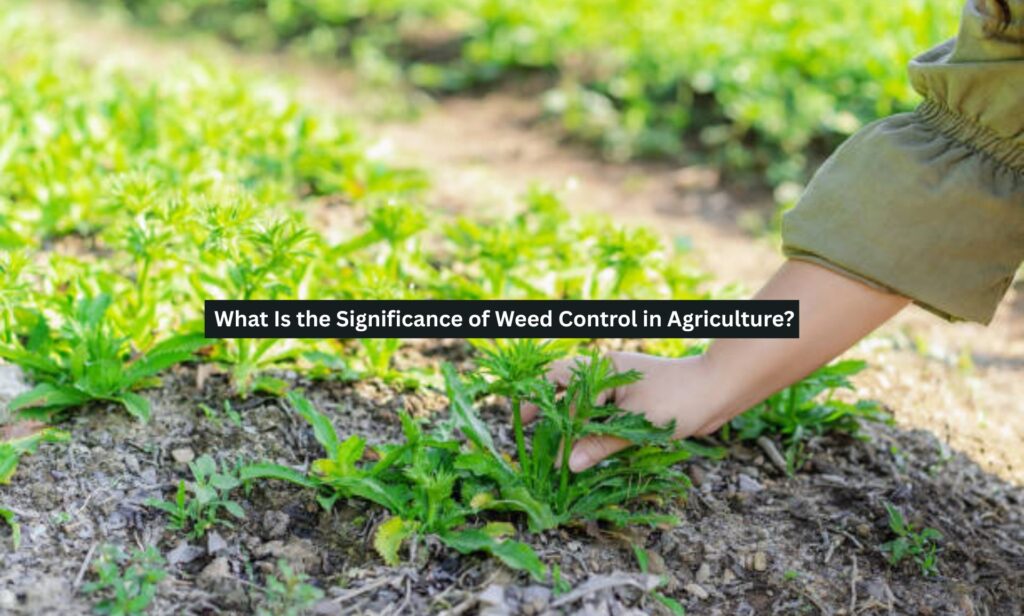
Weed Control: A Basic Understanding
Weed control is the process of limiting the growth and spread of weeds in agricultural lands by employing a variety of methods, either individually or in combination, to eliminate the negative effects of weed invasion on the productivity of the land in question.
What Are Weeds?
Weeds are plants that grow where a farmer doesn’t want them to because they either limit or completely disrupt the growth or production of crops. They accomplish this by competing with crops for scarce resources such as sunlight, nutrients, and water. They are distinguished by their capacity for rapid reproduction and dispers
Defined:all, which enables them to rapidly populate large areas. Dandelions, crabgrass, and bindweed are well-known examples of weeds.
However, based on local conditions and cultural perceptions, the classification of plants as “weeds” can vary significantly. In some cases, what one person considers a weed, another might consider a beautiful wildflower or a useful herb.
What Exactly Is Weed Control or Weeding?
The process of getting rid of weeds, unwanted plants that frequently grow in gardens, lawns, agricultural fields, and other cultivated areas, is referred to as weeding. They are bad because they have the potential to compete with desirable plants for resources like light, water, and nutrients. They also have the potential to occasionally house diseases and pests.
Farmers typically use the following methods to eradicate weeds:
- Weeding by hand
- Weeding by machine
- Chemical grassing
- Biological grass
- Mowing
In addition to agricultural management, weed management is an important aspect of garden and landscape maintenance. Its proper and prompt management aids in the prevention of diseases and pests and ensures that desired plants have the resources they require to grow.
Why Is Controlling Weeds Important?
The Influence of Weeds
They can have a wide range of effects on human activities as well as natural ecosystems, particularly in agriculture and gardening, which require weed control.
Weeds have a number of important effects:
Competition for Resources
For water, sunlight, and nutrients, they frequently compete with crops or other desired plants. They can stifle growth or even kill the plants that humans want to cultivate because they can grow more quickly or are more resilient.
Crop Yield Reduction
Their presence can result in significant yield reductions in agriculture. They have the ability to physically hinder harvesting or to impede crop growth and development.
Reduced Quality
In some instances, they may have an effect on the harvested product’s quality. They can, for instance, alter the flavor of milk if dairy cows consume them, or they can lower the quality of wool if they get caught in sheep’s fleece.
Changes in Habitat
Invasive species have the potential to outcompete native plants and alter habitats, affecting native wildlife. Certain can alter the chemistry of the soil, rendering it unsuitable for native plants.
Health
Some of them have the potential to trigger allergic reactions in animals and humans, such as skin rashes or respiratory issues. Others can be harmful if touched or ingested.
Impact on the Economy
They may have a significant impact on the economy. They can lower property values, increase the cost of weed control (labor and herbicides), and reduce farmland productivity.
Balanced Perspective on Weeds
It’s important to remember that not all aspects of weeds are harmful, despite these negative aspects. Some, like dandelions, can feed birds, insects, and other animals, improve the health of the soil, or even provide food for humans. Additionally, some so-called weeds are utilized in herbal medicine or for their aesthetic value in particular kinds of gardens.
However, it is thought to be one of the most significant causes of a significant decline in the economic productivity of farmland in several nations. The native and exotic hardy and invasive weeds have the potential to cause significant long-term economic losses if they are left unchecked and appropriate control measures are not taken. Even though they are a part of the agroecosystem and can help improve soil texture and recycle nutrients, their benefits can only be realized if their drawbacks are checked thoroughly. Therefore, weed control in agriculture is an essential component of any productive farmland.
Related: Fertilization
What Is It and How Does It Work?
Since the first agricultural revolution, weed management has been done by hand. However, the methods for doing so have changed over time and with technology. In recent times, herbicides were utilized extensively and vigorously due to their simple application, effectiveness, and low cost. However, as the negative effects of herbicides on health and the environment became clear, biological weeding and eco-friendly weed control in agriculture are receiving more attention.
Methods for Controlling Weeds: How Do Farmers Do It?
Biological Regulation
Weeds have a natural enemy that, if introduced into the system, can naturally limit their growth and the size of the seed pool, making it necessary for biological control. Insects, mites, or even specific diseases that kill them can be introduced as the agent. Bio-herbicides, which are compounds and secondary metabolites derived from microorganisms like bacteria and fungi, can be used as a biological control measure.
However, due to the limited duration of its effects, this method is not considered a long-term strategy. Therefore, biological control agents like insects and mites are preferred if the goal is to integrate them into the agroecosystem over a long period of time so that the agents’ weed-controlling effect can be sustained.
Advantages of Biological Control
Another significant advantage of biological control is its ability to be used in inaccessible, sensitive, and remote locations where other methods would be ineffective or impossible. This is in addition to the fact that it eliminates negative effects on the environment.
However, the ecosystem type and geographical location of a weed-infested area should be taken into consideration when selecting a control agent. This is due to the fact that the introduced agent’s population could explode and even harm agricultural crops if it behaves like an invasive alien species. Therefore, despite the fact that biological control is an environmentally friendly approach to weed management, selecting biological control should be based on research and technical advice, and proper selection and monitoring are essential.
Flaming
Flaming can be a very effective way to control weeds, but only in very specific situations can it be used because fire is a dangerous element in and of itself and can cause more harm than good if used improperly. Flaming is famously used to get rid of weeds that grow in places other than farms, like along roadsides and railway tracks.