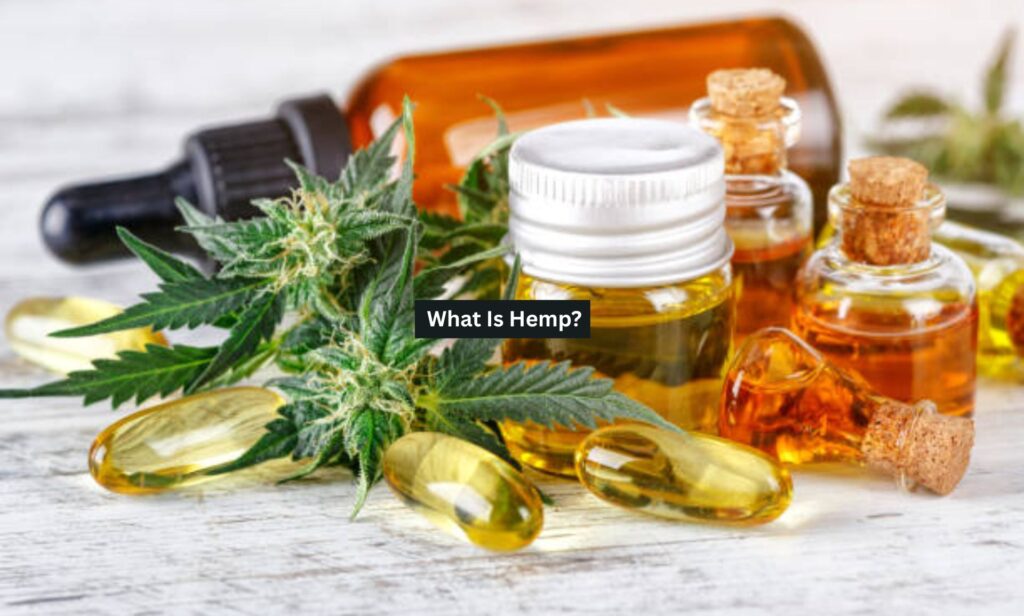
Hemp, also known as Cannabis sativa, is a plant in the family Cannabaceae that is grown for its fiber or edible seeds. Hemp and the cannabis plants that produce the drug marijuana and its preparation, hashish, are sometimes misunderstood. Although tetrahydrocannabinol (THC), a compound that causes psychoactive effects in humans, is present in all three products—hemp, marijuana, and hashish—the variety of cannabis that is grown for hemp only contains small amounts of THC in comparison to that which is grown for the production of marijuana or hashish.
Anatomy Description
Hemp is a robust, tall, aromatic annual herb. Except for the tip and base, the slender cane-like stalks are hollow. The flowers are small and pale greenish-yellow in color, and the leaves are compound with a palmate shape. On the pistillate, or female, plants, the flowering plants that produce seeds form long clusters that resemble spikes. On staminate, or male, plants, pollen-producing flowers form many-branched clusters.
Processing And Cultivating
History And Geography
Central Asia is where hemp got its start. As early as 2800 BCE, hemp cultivation for fiber was documented in China. During the early Christian era, it spread to the rest of Europe and was practiced in the Mediterranean countries. In the 1500s, it was planted in Chile, and a century later, it was planted in North America.
Growth Conditions
In temperate regions, hemp is grown as an annual from seeds and can grow to a height of up to 5 meters (16 feet). During the growing season, crops thrive in sandy loam with good drainage and an average monthly rainfall of at least 65 millimeters (2.5 inches). Crops cultivated for fibre are densely sowed and produce plants averaging 2–3 metres (6–10 feet) tall with almost no branching. The plants that are grown for oilseed are shorter, have more branches, and are planted further apart.
Harvesting And Fibre Extraction
When producing fiber, the best yield and quality are achieved by harvesting the plants shortly after they reach maturity, as indicated by their full blossoms and the pollen that the male plants freely shed. Plants are typically cut off approximately 2.5 cm (1 inch) above the ground, despite the fact that they may be manually removed from time to time. Fibres are obtained by subjecting the stalks to a series of operations—including retting, drying, and crushing—and a shaking process that completes separation from the woody portion, releasing the long, fairly straight fibre, or line. The fibre strands, usually longer than 1.8 metres (5.8 feet), are made of individual cylindrical cells with an irregular surface.
Uses And Products
Fibre Applications
The fiber, which is longer and less flexible than flax and is usually yellowish, greenish, dark brown, or gray, is rarely dyed because it is difficult to bleach to sufficiently light hues. It is utilized for cordage, such as twine, yarn, rope, cable, and string, as well as for artificial sponges and coarse fabrics like sacking (burlap) and canvas. It is strong and long-lasting.
Hemp that has been specially processed can be used to make clothing fabric that looks and feels like linen and has a white color. Shoes can be made from hemp textiles. Depending on the formulation, hemp fiber is used to make bioplastics that are recyclable and biodegradable. In non-load-bearing applications, the novel “hempcrete,” a composite of hemp and a lime binder, can be utilized similarly to conventional concrete.
Hemp is frequently used in papermaking and is a sustainable alternative to fiberglass insulation in buildings. In some cases, hemp can also be used in place of wood pulp.
Seed And Oil Applications
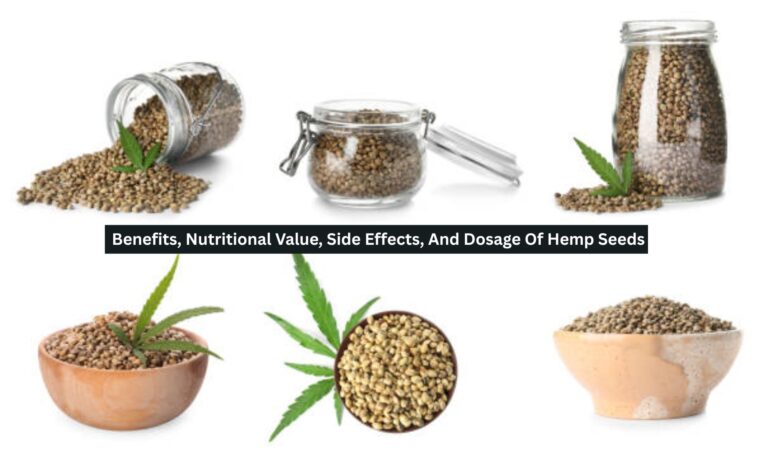
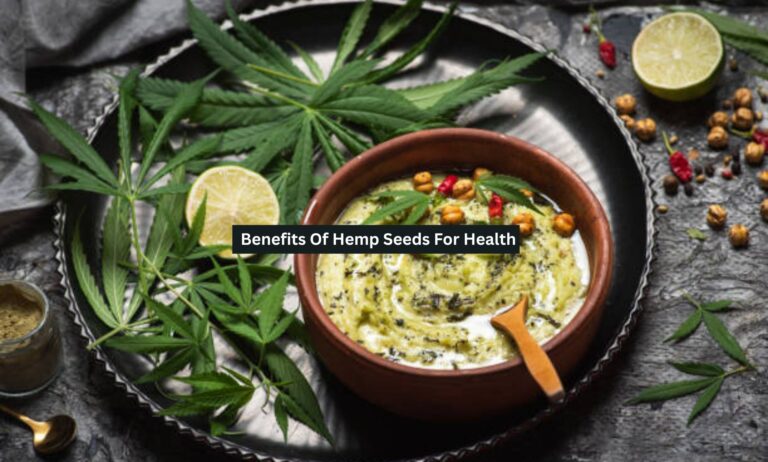
The edible seeds are a good source of protein, fiber, and magnesium and have about 30% oil in them. Hemp hearts, or shelled hemp seeds, are sold as a health food and can be eaten raw; they are typically sprinkled on salads or blended into fruit smoothies. Drinks and recipes can be made with hemp seed milk instead of dairy milk.
Paints, varnishes, soaps, and edible oil with a low smoke point can all be made with hemp seed oil. The primary commercial application of the seed has historically been in caged bird feed.
Cannabis And Its Varieties
Classification And Confusion
Cannabis, medicinal, recreational, and fiber-producing plants of the genus Cannabis in the family Cannabaceae. According to some classifications, there is only one species in the genus Cannabis: hemp (Cannabis sativa), a robust, aromatic, tall annual herb that originated in Central Asia and is now grown all over the world.
The female plants of a shorter, branchier variety are prized as the more abundant source of the psychoactive substance tetrahydrocannabinol (THC), the active ingredient in marijuana. Hemp fiber is produced from a tall, cane-like variety. Also see medical cannabis.
Taxonomic ambiguities have resulted from morphological differences between cannabis grown in the wild and in cultivation. As a result, some researchers believe that the genus also includes C. ruderalis, a third species, and C. indica, a second species. Additionally, these two species are sometimes considered subspecies of C. sativa.
Marijuana And Hashish
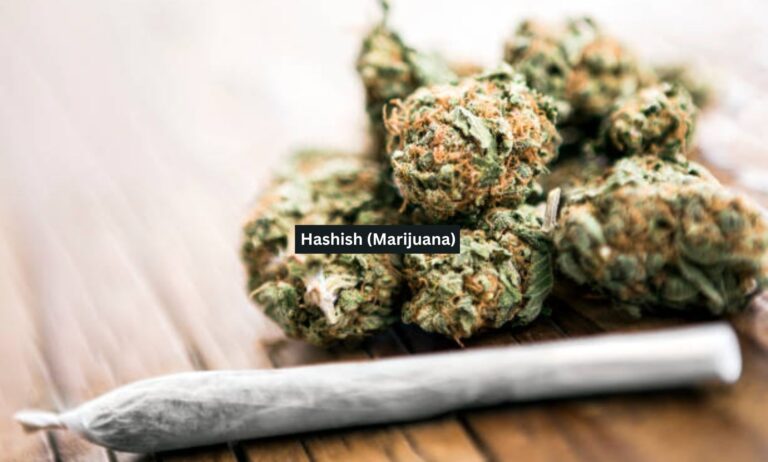
Marijuana is a crude drug made from the flowers and leaves of Cannabis plants. Cannabis and marijuana are sometimes used interchangeably, but cannabis specifically refers to the plant genus, which includes C. sativa, C. indica, and C. ruderalis, according to some classifications. Pot, tea, grass, and weed are a few of the other names for marijuana. It is typically dried, crushed, and shaped into cigarettes (joints) or smoked in pipes. It can also be added to beverages and foods.
What Are Your Thoughts?
THC And Potency
The potency of marijuana varies depending on the variety, location, and method of cultivation, preparation, and storage. Tetrahydrocannabinol (THC), the active ingredient, can be found in all parts of both male and female plants, but it is most concentrated in the resin (cannabin) in the female plant’s flowering tops. The more potent form of the drug known as hashish is produced by gathering and drying this resin. It is approximately eight times stronger than the marijuana that is typically smoked in the United States.
Physical Consequences
Marijuana has long been regarded as useful as an analgesic, anesthetic, antidepressant, antibiotic, and sedative, as it is mentioned in a Chinese herbal from 2700 BCE. In the 19th century, its tips were occasionally taken internally to treat gonorrhea and angina pectoris, despite the fact that it was typically used externally (such as smoked or as a balm).
The effects of marijuana vary depending on how much and how much is consumed, the environment in which it is consumed, and the user’s experience. The user typically experiences a mild euphoria as a result of the psychological effects, which typically dominate. Time and space are distorted as a result of vision and judgment changes. Visual hallucinations, anxiety, depression, extreme mood swings, paranoid reactions, and psychoses lasting four to six hours may occasionally occur during acute intoxication.
Eye redness, dryness of the mouth and throat, a moderate increase in heart rate rapidity, chest tightness (if marijuana is smoked), drowsiness, unsteadiness, and muscle incoordination are some of the physical effects of marijuana.
Dependence And Research
Regular use does not lead to physical dependence, and withdrawal from it does not cause extreme physical discomfort. However, marijuana use may lead to psychological habituation. Marijuana use in adolescence is linked to a higher risk of depression in young adults, according to research.
Since THC was first isolated and synthesized in the middle of the 1960s, the worldwide use of marijuana and hashish as intoxicants has raised a number of medical and social issues, many of which have been the subject of ongoing scientific research. The goal of the research was to determine marijuana’s short- and long-term physical effects.
Medical Discoveries
Medical research into marijuana and THC revealed a variety of therapeutic effects in the late 20th and early 21st centuries. They were found to be helpful in lowering glaucoma patients’ internal eye pressure and relieving nausea and vomiting brought on by chemotherapeutic drugs used to treat cancer and AIDS. In addition, marijuana has been shown to prevent epileptic seizures and alleviate muscle pain associated with multiple sclerosis in some patients.
In the brains of certain mammals, including humans, researchers discovered a receptor for THC and chemicals related to THC at the end of the 1980s. According to this finding, the brain naturally produces a substance similar to THC that may perform some of the same functions as THC. Anandamide, derived from the Sanskrit word for “bliss,” was the subsequent name given to such a substance.