Introduction
Hemp seeds, also known as “hemp hearts,” are gaining popularity as a superfood due to their high nutritional value and potential health benefits. These tiny seeds, derived from the Cannabis sativa plant, have a rich history that dates back thousands of years, and they offer a wide range of nutrients that can support overall well-being.
This article aims to shed light on the nature of hemp seeds, their historical journey through time, and their potential to affect our modern well-being as we delve into the fascinating world of hemp seeds.
What Are The Seeds Of Hemp?
The edible seeds of the hemp plant are known scientifically as Cannabis sativa L. Hemp seeds. Hemp seeds, in contrast to marijuana, are low in tetrahydrocannabinol (THC), the psychoactive ingredient that causes the “high” associated with cannabis use. Instead, hemp seeds have a lot of different nutrients in them, so they’re a good addition to a healthy diet.
Hemp seeds are known as a superfood because they contain a unique combination of nutrients. These seeds are beneficial for heart health, brain function, and inflammation management because they are overflowing with essential fatty acids, including omega-3 and omega-6. Additionally, hemp seeds provide a rich source of plant-based protein, containing all nine essential amino acids necessary for various bodily functions, from muscle growth to immune system support.
Both shelled hemp seeds and hemp seeds are remarkable additions to any diet due to their impressive nutritional profile and their versatility in culinary applications.
The Historical Value Of Hemp Seeds
The fascinating history of hemp seeds dates back to ancient civilizations. Records indicate that hemp seeds were used in both culinary and medicinal applications.
Supports Digestive Health
The fiber in hemp seeds aids in the maintenance of a healthy gut environment and encourages regular bowel movements.
How Can You Include Hemp Seeds In Your Diet?
In addition to providing a delightful culinary experience, taking advantage of these inventive routes lets you take advantage of the numerous health benefits of hemp seeds. These tiny nutritional powerhouses seamlessly fit into a variety of dietary preferences, from the benefits of cold-pressed hemp seed oil to the versatility of toasted hemp seeds and the omega 3 and 6 benefits of hemp seed oil.
Hemp Seeds’ Nutritional Benefits Can Be Enjoyed In A Variety Of Inventive Ways:
- Sprinkle on Cereal or Yogurt: Sprinkle whole or ground hemp seeds on your favorite breakfast cereal or yogurt to add a healthy crunch to your morning routine.
- Enhancing Smoothies: Add one tablespoon of hemp seeds to your smoothies to increase their nutritional value. For a satisfying beverage packed with nutrients, combine them with fruits, vegetables, and a liquid base.
- Baking and Cooking: Try adding hemp seeds to muffins, cookies, and granola bars for a protein and omega-3 fatty acid boost in your baking.
- Homemade Hemp Milk: You should try making your own plant-based milk by blending whole hemp seeds with water and straining the mixture due to the health benefits of hemp seed milk. This milk substitute can be used in a variety of dishes.
- Salad Toppings: Sprinkle a mixture of hemp seeds, other seeds, and nuts on top of your salads to improve their texture and add nutrients.
Hemp seeds are an excellent addition to any well-balanced diet and can even be used in recipes for weight loss if you engage in these culinary explorations, which will open up a world of flavors and nutritional benefits.
Effects Of Hemp Seed On The Body
The majority of people can generally consume hemp seeds safely and tolerate them well. However, as with any food, overindulgence can result in certain negative effects.
Potential Digestive Effects
If consumed in large quantities, the high fiber content of hemp seeds may result in gas, bloating, and discomfort in the digestive system. To allow your digestive system time to adjust, start with a small amount and gradually increase your intake.
Things To Avoid When Consuming Hemp Seeds
It is essential to exercise caution before including hemp seeds in your diet, particularly if you suffer from particular health conditions or allergies.
- People who are known to have allergies to hemp or other plants in the Cannabaceae family should talk to a doctor.
- Before incorporating hemp seeds into a regular diet, pregnant or breastfeeding women should also seek medical advice.
Dosage Guidelines For Hemp Seeds
Although there is no universally accepted amount for hemp seeds, a general rule of thumb is to include between one and two tablespoons, or approximately thirty grams, of them in your daily diet. Without overwhelming your body, this amount provides a significant dose of essential nutrients.
Sterilized hemp seeds and the right storage practices for hemp seeds are essential for maximum effectiveness. Due to their impressive nutritional profile and long history, hemp seeds have established themselves as an important superfood. Hemp seeds and hemp seed essential oil offer a plethora of advantages that support brain health, cardiovascular health, inflammation reduction, improved skin conditions, and more, from their ancient uses to their modern health implications.
You can potentially improve your overall quality of life and harness their nutritional potential by incorporating these tiny powerhouses into your regular diet. If you want to make sure that hemp seeds meet your specific health needs and goals, as with any dietary change, you should talk to a doctor first.
What Exactly Is Hemp Seed?
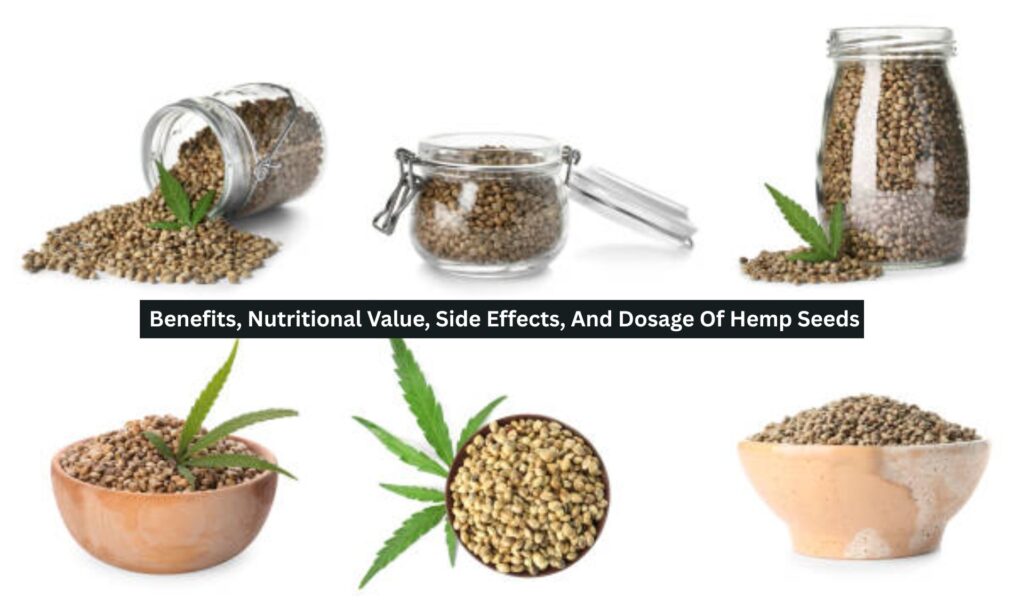
The edible kernels of the Cannabis sativa plant are what are known as hemp seeds. They provide a nutritional boost and are an important component of a well-balanced diet. They are high in protein, healthy fats, minerals, and vitamins. These seeds are well-known for their versatility in the kitchen and lack the psychoactive ingredient THC, which is found in marijuana.
How Do You Consume Hemp Seeds?
It is simple to incorporate hemp seeds into a variety of dishes. They can be added to baking recipes for a protein-rich twist, blended into smoothies for added nutrition, or sprinkled on salads, yogurt, and cereal for a nutty crunch. They go well with both sweet and savory dishes due to their mild flavor.
How Long Does Hemp Seed Remain In The Body?
After being consumed, hemp seeds are typically broken down within a few hours. Because they do not remain in the system for an extended period of time, their effects are relatively short-lived.
Are The Seeds Of Hemp Fattening?
Seeds of hemp are not thought to be fattening. In point of fact, their nutrient-dense profile, which includes healthy fats and high-quality protein, can help maintain a healthy diet. Because they make you feel full, their satiating properties might help you lose weight.
How Can Hemp Seed Oil Be Made?
Cold-pressing is the method by which oil is extracted from hemp seeds without using heat to make hemp seed oil. The oil’s nutritional content, including antioxidants and essential fatty acids, are preserved in this manner, as is its distinctive nutty flavor.
How Can Hemp Seed Oil Be Used As A Moisturizer?
A small amount of hemp seed oil can be gently massaged into clean skin to be used as a moisturizer. The oil’s omega-3 and omega-6 fatty acids aid in skin hydration and nourishment, making it an excellent choice for preserving a natural glow and promoting healthy skin.
Is Hemp Seed Oil Safe To Use?
Due to its low THC content, hemp seed oil lacks the psychoactive effects of marijuana and is therefore legal in many nations. However, because local laws vary, it’s best to check local regulations before purchasing or using hemp seed oil.
Can Hemp Seeds Cause Weight Gain?
It is unlikely that consuming hemp seeds in moderation will result in significant weight gain. By promoting fullness and supporting overall health, their nutrient composition, which includes protein and fiber, may aid in weight management and contribute to a balanced diet.