A first look at a Salvia divinorum product page can raise more questions than it answers. One listing may show dried leaves, another may use terms such as 10x or 40x extract, while another may advertise 100x material without clearly explaining what the number represents.
That makes comparison difficult, especially for someone researching the plant for the first time.
For people looking at salvia divinorum for sale, the most useful approach is not to start with the biggest number or the lowest price. Start by working out exactly what the seller is offering, how clearly it is described, and whether the important details are easy to verify.
At a Glance
This guide explains:
- how to identify the actual product form
- what extract multipliers such as 10x, 40x and 100x tell you
- what those numbers do not tell you
- which details make a product description more useful
- how packaging and storage information can reveal seller quality
- what first-time buyers often overlook
- how to compare two listings without relying on marketing language
Start With the Product Form, Not the Strength
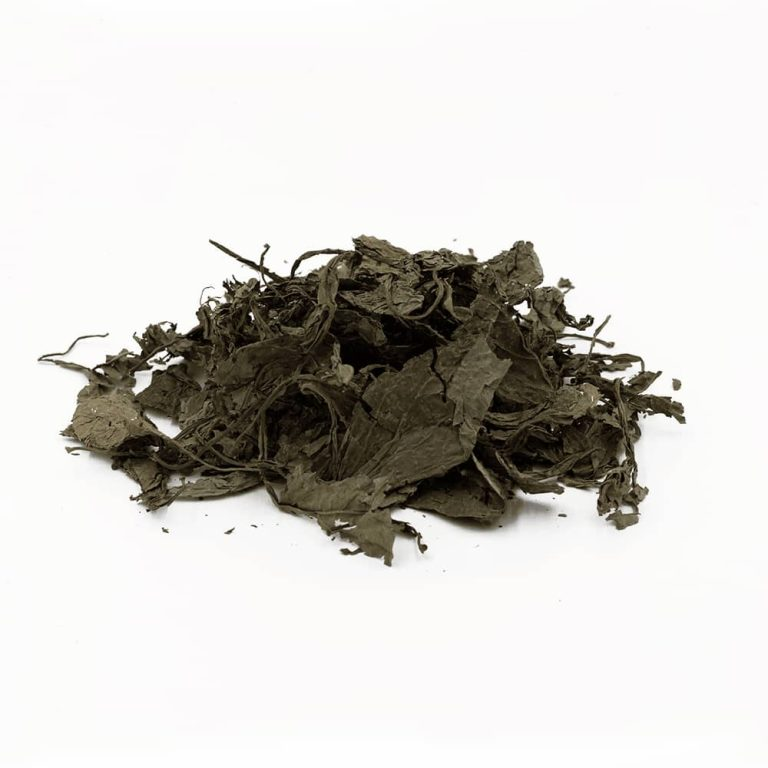
This is the first thing I would check on any botanical-product listing.
Before looking at strength, ask: What exactly is being sold?
Salvia divinorum may appear online in several forms, including dried whole or broken leaf, powdered material, concentrated extracts and tincture-style preparations.
Those categories should not be treated as interchangeable.
A product marked “20x extract” has gone through additional processing. Plain dried leaf has not undergone the same concentration process.
A good listing should therefore tell you the form immediately rather than forcing you to work it out from a photograph.
| Listing Detail | What You Should Be Able to Learn |
| Botanical name | Which plant species is actually being sold |
| Product form | Leaf, powder, extract, tincture or other material |
| Extract designation | Where the product sits in the seller’s concentration range |
| Package quantity | How much material the package contains |
| Storage guidance | How the seller recommends preserving the product |
| Legal notice | Whether restrictions may apply in different locations |
When several of these basics are missing, the headline strength number becomes much less useful.
The Botanical Name Matters More Than It Looks
“Salvia” is not specific enough.
Salvia is a large botanical genus containing many species. Most have nothing to do with Salvia divinorum.
For that reason, a serious product description should clearly use the botanical name Salvia divinorum somewhere on the page.
That sounds like a small detail, but it tells you something about how carefully the seller identifies its inventory.
The same principle applies when shopping for hemp, CBD flower, herbal extracts or other botanical products: precise identification is more useful than vague marketing names.
What Does 10x, 20x, 40x or 100x Actually Mean?
This is where many first-time buyers become confused.
The “x” terminology describes a concentrated extract category. In simple terms, a larger multiplier generally represents a higher stated concentration level within that seller’s range.
However, these numbers should not be read like universally standardized laboratory percentages.
A 20x product from one supplier is not automatically chemically identical to every other product carrying a 20x label.
That matters.
Older laboratory research that tested commercial Salvia products found that measured salvinorin A concentrations did not always match the claims made on product labels. The lesson for consumers is straightforward: an extract multiplier is useful information, but it should not be the only information you consider.
A better way to read the number
Think of an extract designation as one data point.
Then look for supporting information:
- What material did the producer start with?
- Does the seller clearly distinguish its extract levels?
- Does the product have a consistent appearance?
- Is the package quantity stated?
- Does the description explain what the multiplier refers to?
- Is there batch or analytical information where available?
That gives you a much more complete picture.
Read: What Is the Significance of Weed Control in Agriculture?
Why “Higher” Does Not Automatically Mean “Better”
This is probably the most common mistake in comparing concentrated products.
A larger number tells you about the stated concentration category. It does not automatically tell you about:
- botanical quality
- freshness
- consistency
- cleanliness
- packaging
- storage
- documentation
- accuracy of the description
Imagine two listings.
The first simply says:
“100x — strongest available.”
The second identifies the botanical species, explains the product form, states the package quantity, describes the extract category, provides clear photographs and gives storage information.
Even before considering price, the second listing gives the buyer much more useful information.
Good product pages reduce uncertainty instead of replacing information with adjectives.
Use the 30-Second Listing Test
A simple way to compare listings is to ignore the promotional language for the first 30 seconds.
Look only for facts.
Can you answer these questions quickly?
1. What is it?
The product form should be obvious.
2. How much is included?
Quantity should be displayed clearly rather than hidden deep in the description.
3. What does the strength label refer to?
You should understand where it sits within the seller’s product range.
4. How should it be stored?
Storage guidance suggests that the seller has thought beyond the checkout page.
5. Are restrictions acknowledged?
Botanical regulations can vary by jurisdiction. Responsible sellers should not pretend one legal statement applies everywhere.
If you cannot answer most of those questions after reading the page, keep researching.
Product Photos Can Tell You More Than Marketing Copy
Images deserve more attention than they usually receive.
A useful photograph should let you inspect the actual style of product rather than showing only decorative leaves, generic packaging or stock photography.
When comparing dried or extracted botanical material, look for:
- clear close-up photography
- consistent product appearance
- packaging that matches the description
- realistic color and texture
- more than one angle where appropriate
Photography does not prove chemical composition, of course. However, it can help confirm that the seller is showing the material it describes.
Packaging Is Part of Product Quality
Packaging often receives only a sentence on a product page, yet it affects what happens after an order leaves the seller.
Dried botanical products generally benefit from protection against excessive moisture, heat and prolonged direct light.
Therefore, a listing that explains how the material is sealed and how it should be stored adds practical value.
This becomes even more relevant with concentrated products because buyers may keep small quantities for longer periods.
The best packaging information answers two simple questions:
How is it protected during shipping?
and
How should it be kept afterward?
What to Look For When Comparing 100x Extracts
High-numbered extracts deserve more scrutiny, not less.
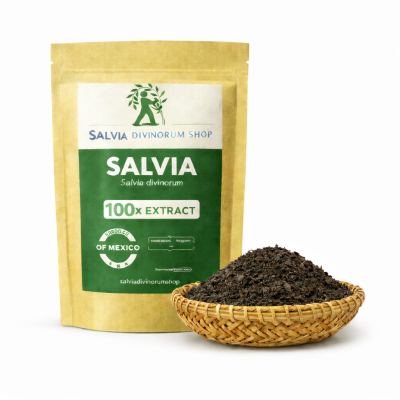
Someone researching a salvia divinorum 100x extract should look beyond the “100x” in the title and inspect the rest of the product information.
Check whether the listing:
- clearly identifies Salvia divinorum
- describes it as an extract rather than plain leaf
- states the package size
- explains how 100x fits into the seller’s extract range
- provides clear product photography
- gives packaging and storage guidance
The multiplier may attract attention, but these surrounding details make the listing useful.
Watch for These Product-Page Red Flags
Some warning signs are surprisingly easy to spot.
Every product description sounds identical
Different product forms should have different information.
The page relies almost entirely on words such as “premium” or “strongest”
Those words do not explain the product.
The botanical species is missing
A serious botanical listing should identify what it sells.
There is no quantity information
Customers should not have to guess how much product they are comparing.
The legal statement is overly broad
Rules can vary by country, state or locality.
There is no useful photography
Stock imagery should not replace clear product images.
None of these points alone proves that a seller is unreliable. Together, however, they help you decide where more research is needed.
FAQ
Is Salvia divinorum a type of cannabis?
No. Salvia divinorum and cannabis are different plants. Salvia divinorum belongs to the mint family.
Does 100x always mean exactly 100 times the strength of plain leaf?
It should not be interpreted as a universal laboratory measurement. Extract labels describe concentration categories, but commercial preparations can vary.
Is the highest extract always the best choice?
No. Concentration and quality are different characteristics. Product identification, consistency, packaging and documentation matter too.
Why is the botanical name important?
It confirms which Salvia species the seller is describing and reduces confusion with other sage plants.
Should buyers check local laws?
Yes. Rules concerning Salvia divinorum can vary by location, so buyers should verify current regulations where they live.
Final Thoughts
A good Salvia listing should make you feel better informed after reading it.
The most useful pages do not depend on a large extract number or dramatic marketing language. Instead, they identify the plant clearly, explain the product form, show what is included, provide useful images and answer practical questions about packaging and storage.
For a first-time buyer, that information is often more valuable than the biggest number on the page.
When comparing products, start with the facts. Once those make sense, the strength label becomes much easier to put into context.