As the CBD industry continues to grow, consumers are becoming more conscious about product quality, safety, and transparency. Whether you’re purchasing CBD oil, gummies, capsules, or topicals, understanding exactly what you’re consuming is essential. One of the most valuable documents available to CBD buyers is the Certificate of Analysis (COA).
A COA is a laboratory report that provides detailed information about a CBD product’s contents. It verifies cannabinoid levels, confirms the absence of harmful contaminants, and helps consumers make informed purchasing decisions. Unfortunately, many people overlook this document because it appears technical or difficult to understand.
This guide explains how to read a CBD Certificate of Analysis step by step, making it easier to evaluate product quality and choose safe, reliable CBD products.
What Is a CBD Certificate of Analysis (COA)?
A Certificate of Analysis (COA) is an official document issued by an independent third-party laboratory after testing a CBD product. The report confirms whether the product matches the manufacturer’s claims and meets quality and safety standards.
Third-party testing plays an important role because independent laboratories have no financial interest in the products they evaluate. Their objective analysis helps build trust between brands and consumers.
A legitimate CBD company should make its COA easily accessible through its website, product packaging, or a QR code printed on the label.
Why Reading a COA Matters
Not every CBD product on the market offers the same quality. Some products may contain inaccurate CBD concentrations or unwanted contaminants that could affect safety and effectiveness.
Reading a COA allows consumers to:
- Verify the actual CBD content.
- Confirm THC levels remain within legal limits.
- Check for pesticides and heavy metals.
- Ensure no harmful bacteria or mold are present.
- Verify solvent residue is below acceptable limits.
- Purchase CBD products with greater confidence.
Instead of relying solely on marketing claims, the COA provides scientific evidence of product quality.
Understanding the Product Information
The first section of a COA usually contains basic product identification details.
These typically include:
- Product name
- Batch or lot number
- Sample ID
- Date tested
- Date reported
- Manufacturer information
Always compare the batch number shown on the COA with the batch number printed on your product. If the numbers don’t match, the report may not belong to that specific product.
Reading the Cannabinoid Profile
One of the most important sections of the COA is the cannabinoid profile.
This section lists the concentration of cannabinoids detected during laboratory testing.
Common cannabinoids include:
- CBD (Cannabidiol)
- THC (Tetrahydrocannabinol)
- CBG (Cannabigerol)
- CBN (Cannabinol)
- CBC (Cannabichromene)
For example, if a product claims to contain 1000 mg of CBD, the laboratory results should closely match that amount.
Small variations are normal, but significant differences may indicate inaccurate labeling or poor manufacturing practices.
Consumers purchasing THC-free products should carefully review this section to confirm non-detectable THC levels.
Full Spectrum, Broad Spectrum, and CBD Isolate
The cannabinoid profile also helps identify the type of CBD product.
Full Spectrum CBD
Contains CBD along with multiple cannabinoids, terpenes, flavonoids, and legal amounts of THC.
Broad Spectrum CBD
Contains several cannabinoids and terpenes but usually removes THC.
CBD Isolate
Contains almost pure CBD with no additional cannabinoids.
The COA confirms whether the product accurately matches its advertised formulation.
Checking the Terpene Analysis
Some COAs also include terpene testing.
Terpenes are naturally occurring aromatic compounds found in hemp plants. Besides contributing to flavor and aroma, they may work alongside cannabinoids through what’s commonly known as the entourage effect.
Common terpenes include:
- Myrcene
- Limonene
- Pinene
- Caryophyllene
- Linalool
Although terpene analysis is optional, it provides additional insight into the product’s overall composition.
Reviewing Contaminant Testing
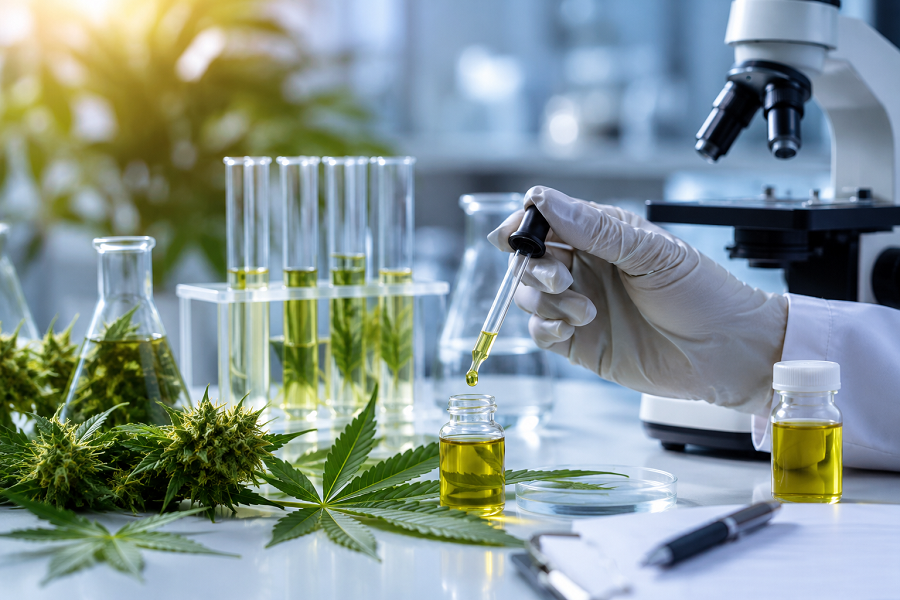
A high-quality COA should also include contaminant screening.
This section helps ensure the product is safe for consumption.
Heavy Metals
Hemp plants naturally absorb substances from the soil. If grown in contaminated environments, they may accumulate heavy metals such as:
- Lead
- Mercury
- Arsenic
- Cadmium
A reliable COA should show these contaminants either below acceptable safety limits or not detected.
Pesticides
Pesticide testing identifies harmful agricultural chemicals that may remain on hemp plants after cultivation.
The safest CBD products will indicate “Pass” or “Not Detected” for pesticide screening.
Residual Solvents
Some manufacturers use solvents during CBD extraction.
Laboratories test for residues such as:
- Butane
- Propane
- Hexane
- Ethanol
Properly manufactured CBD products should contain solvent levels below regulatory safety limits.
Microbial Testing
Microbial contamination may include:
- Mold
- Yeast
- Salmonella
- E. coli
These contaminants can pose health risks if present.
A clean COA should indicate that microbial testing has passed.
Read: Benefits Of Hemp Seeds For Health
Look for Third-Party Laboratory Information
Not all laboratory reports carry the same credibility.
A trustworthy COA should clearly display:
- Laboratory name
- Laboratory address
- Accreditation details
- Testing methods
- Analyst signature or authorization
Independent laboratory verification adds credibility and helps ensure objective testing results.
Watch for Red Flags
While reviewing a COA, keep an eye out for warning signs.
Potential red flags include:
- Missing batch numbers
- Outdated testing reports
- No third-party laboratory information
- CBD content significantly different from product claims
- Failed contaminant testing
- Missing pages or incomplete reports
If any of these issues appear, consider choosing another brand with better transparency.
Packaging Also Plays an Important Role

Laboratory testing verifies what’s inside a CBD product, but packaging also contributes to maintaining product quality. Proper packaging helps protect CBD products from moisture, heat, light, and contamination during storage and shipping. Many CBD businesses invest in Custom CBD boxes to improve product protection, meet labeling requirements, and create a more professional customer experience.
Tips for Buying Safe CBD Products
Before purchasing any CBD product, remember these simple guidelines:
- Always request or review the latest COA.
- Verify that batch numbers match.
- Confirm CBD levels match product labeling.
- Check THC concentrations.
- Review contaminant testing results.
- Purchase from transparent, reputable brands.
- Avoid products without third-party laboratory reports.
Following these steps can significantly reduce the risk of purchasing low-quality or mislabeled CBD products.
Conclusion
A CBD Certificate of Analysis is one of the most valuable tools available to consumers. Rather than relying on advertising alone, a COA provides scientific proof of a product’s quality, potency, and safety. By learning how to interpret cannabinoid profiles, contaminant testing, terpene analysis, and laboratory information, consumers can make informed decisions and confidently select products that meet high-quality standards. As the CBD industry continues to evolve, transparency will remain one of the strongest indicators of a trustworthy brand. Taking just a few minutes to review a COA before making a purchase can help ensure you’re investing in products that are accurately labeled, independently tested, and safe to use.